· Updated · By James Giles
The Case for Whole-Animal Skincare in 2026: Regeneratively Raised Tallow Skincare
Whole-animal skincare uses fat that would otherwise be discarded, turning a byproduct of regenerative farming into a functional ingredient. Suet exists whether or not anyone makes skincare from it, so rendering it adds no animal impact and honors an older nose-to-tail ethic. True Origin Skincare renders suet from regenerative farms into the Deep Hydration Whip on that logic.
Regenerative tallow skincare is not a trend the beauty industry invented. It is the recovery of a practice the industry abandoned. For most of human history, people made their salves and balms from the fat of the animals they raised and ate. Then the petrochemical era arrived, and the emollient that built modern moisturizers stopped coming from a pasture and started coming from a refinery. I built True Origin around a simple conviction that took me years and a stubborn skin condition to arrive at. The most overlooked ingredient in clean beauty was sitting in the rendering trail of the meat we already produce, and we were pumping new petroleum out of the ground instead.
That is the fat in our own jar, rendered from suet rather than left as waste.
The waste argument is documented outside skincare. A 2021 paper in Animal Frontiers describes the role agricultural rendering plays in keeping material out of the waste stream (PMC).
I want to make the argument plainly. Whole-animal skincare is the practice of using the parts of an animal that would otherwise be discarded, rather than extracting a fresh raw material that has to be drilled, refined, and shipped before it ever touches your face. Tallow skincare is one expression of that idea. If you want the chemistry first, start with what tallow skincare is. This piece is about the system the chemistry sits inside, because the system is the part nobody in beauty wants to talk about.
What byproduct was nobody using?
Beef tallow is a coproduct of beef production. When cattle are processed for meat, the suet and trim fat come off as a matter of course, whether or not anyone turns them into skincare. The volumes are not small. Each animal yields roughly 80 to 110 lbs of suet and trim fat, and with the United States processing around 33 million cattle a year, that adds up to an estimated 3 billion lbs of beef fat annually as a coproduct of meat we are already raising. Most of it heads to rendering or to landfill.
That single fact reframes the entire sustainability conversation in skincare. Tallow is not a new extraction. It is an upcycled input. A peer-reviewed comparative analysis in the Journal of Dermatology & Skin Science framed rendered tallow as a nutrient-rich, low-waste ingredient that re-emerged from exactly this circular logic. Pure rendered tallow biodegrades in soil and compost. Petroleum jelly and many synthetic emollients do not. One of these ingredients is a leftover. The other is a new hole in the ground.
I want to be fair about plant oils, because the clean beauty world reached for them in good faith. The instinct to move away from petroleum was right. The blind spot was assuming that every plant-derived alternative came without a footprint of its own. Monocrop oils carry land use, water, and supply-chain costs that rarely make it onto the front of the bottle. None of that makes plant oils villains. It makes the accounting more honest. When you compare a coproduct that already exists against a crop grown specifically to be pressed, the upcycled option starts to look less like a compromise and more like the obvious move.
Whole-animal use is older than the beauty industry
Nose-to-tail is a familiar idea in food. The cook who renders bones for stock and saves the fat for cooking is not being quaint. They are refusing to waste an animal that gave its life for the table. Whole-animal skincare applies the same ethic one step further down the line. The fat that does not go into food can carry the barrier-supporting fatty acids your skin already recognizes. Tallow is biocompatible. Its fatty acid profile is close to human sebum. The skin does not treat it as foreign because, biochemically, it isn't.
This is where the manifesto and the chemistry meet. The reason tallow works on skin and the reason it makes sense as a system are the same reason. It is a material the body and the land both know how to handle. A petroleum emollient sits on the skin as an occlusive film and sits in the environment as something neither soil nor compost can break down. A whole-animal emollient does the opposite on both counts. It absorbs because it is recognized, and it returns to the ground because it came from a living thing.
The regenerative model and what a third party measured
Sourcing is the line that separates real brands from marketing brands, and it is the line I care about most. Not all cattle are raised the same way, and the agricultural model matters more than any label on a jar. This is the part of the argument where I have to be precise, because the conversation usually gets fuzzy right here.
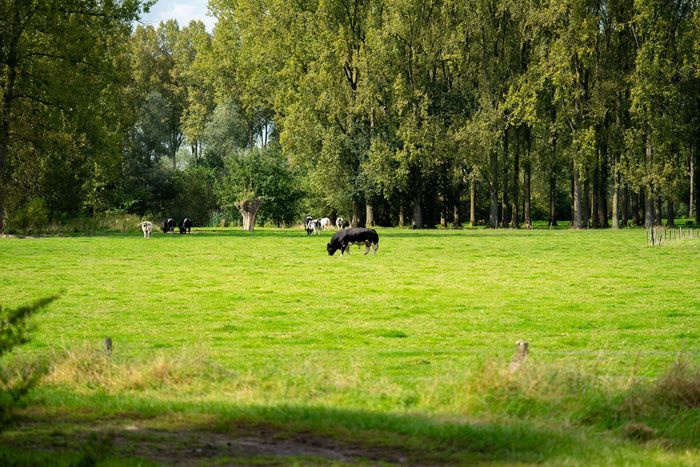
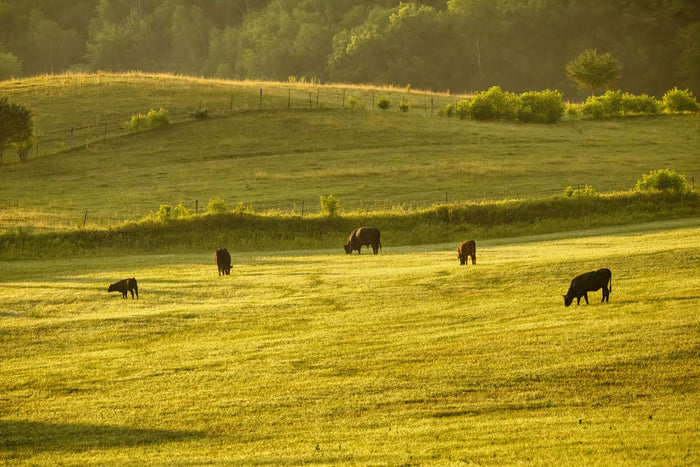
A third-party Life Cycle Assessment of White Oak Pastures in Bluffton, Georgia, conducted by the sustainability consultancy Quantis and commissioned through General Mills and EPIC, examined the farm's regenerative, multi-species rotational grazing system. The assessment found that the farm sequestered more soil carbon than its cattle emitted, reporting that the operation offset at least 100% of the cattle's emissions, with a net total around -3.5 kg CO2e per kg of fresh beef. In other words, this particular grazing system, as measured by an outside party, functioned as a net carbon sink.
I want to be careful about what that number does and does not mean. It is evidence that the regenerative grazing model can build soil carbon at the farm level. It is a finding about a farm and a grazing system, attributed to the third party that measured it. It is not a claim that any finished cosmetic product is carbon-negative, and I will never make that claim about ours. When I describe what True Origin uses, I describe regeneratively raised tallow. The environmental case lives in the agricultural model and in independent assessments like the one Quantis ran, not in a number printed on a jar. If the distinction between how cattle are raised and finished interests you, it changes the input meaningfully, and the difference between grass-fed vs. grass-finished tallow is worth understanding before you buy anything.
What is the accounting problem in clean beauty?
Most sustainability messaging in skincare is built on adjectives. Clean. Conscious. Planet-friendly. The words do real work in the market and very little work in reality, because they describe a feeling rather than a measurement. The whole-animal argument is harder to make and more honest because it forces you to point at something specific. A coproduct that already exists. A peer-reviewed comparison of biodegradability. A farm-level assessment run by an outside consultancy. Each of these can be checked. None of them depends on how warmly the brand talks about itself.
I think the category has earned a more demanding standard. The buyer who reads ingredient lists is also capable of reading a sourcing claim and asking who measured it. When True Origin says regeneratively raised tallow, that phrase is doing two jobs. It names the input, and it points at the agricultural system the input comes from. The system is where the environmental story lives, and the system is the thing a third party can study. A jar cannot be carbon-negative, but a grazing model can be measured for soil carbon, and the difference between those two statements is the difference between a slogan and a claim you can stand behind.
There is a version of this argument that overreaches, and I want to stay clear of it. It would be easy and wrong to take the White Oak Pastures number and staple it to a product, as if buying a balm offsets a flight. The honest version keeps the carbon conversation where the data lives, at the farm and the grazing system, and treats the product as a reason to support that model rather than a unit of carbon math. Tallow as an upcycled byproduct reduces waste compared with petroleum-derived ingredients. That is the claim I will make, and it is comparative and sourced rather than quantified per jar.
What gets wasted, and what gets used?
| Approach | What happens to the animal fat | What it means |
|---|---|---|
| Whole-animal use | Suet is rendered and used | No additional animal impact |
| Trim-only sourcing | Higher-grade fat left, scrap used | More variable quality |
| Plant-only formulas | Animal fat still discarded elsewhere | The byproduct goes to waste |
Step back and look at the two supply chains side by side. The petroleum emollient chain begins with extraction. Crude is drilled, refined, and distilled into the mineral oils and petrolatum that fill conventional moisturizers. Every step adds a footprint, and the end product does not biodegrade in soil or compost. The whole-animal chain begins with food we are already producing. The fat exists whether or not anyone makes skincare from it. Choosing to render that coproduct into a balm does not summon a new animal into existence. It captures value from one that has already been raised.
The numbers make the scale concrete. Roughly 3 billion lbs of beef fat come off United States production every year as a coproduct. A meaningful share of that is suet and trim fat with exactly the properties a formulator wants. The question is not whether to raise cattle for skincare. Nobody does that, and nobody should. The question is whether the fat that already exists ends up in a landfill or on your skin barrier. Framed that way, the upcycled path is the lower-waste path by construction, and the peer-reviewed comparison in the Journal of Dermatology & Skin Science supports reading it that way.
Why this matters more in 2026 than it did five years ago
The clean beauty category has matured. Buyers read ingredient labels now. They have tried the first wave of natural brands, sometimes got a rash for their trouble, and learned that natural is not a synonym for compatible. That sophistication is exactly what whole-animal skincare needs, because the argument only lands if you are willing to think one layer past the marketing.
The regenerative agriculture conversation has also moved from the margins to the center of how serious food and land companies talk about carbon and soil. Skincare has been slow to connect to it. That is the gap True Origin sits in. The same rotational grazing that interests a soil scientist is the source of the fat that goes into a jar of balm. To understand how the whole picture fits together, it helps to read what regenerative skincare means as a category before the marketing departments finish diluting the word.
What True Origin built, and why
True Origin Skincare is an all-natural, non-toxic skincare brand from Utah, recommended by integrative and functional doctors and carried in holistic medical clinics. Our Deep Hydration Whip is a whipped moisturizer built on regeneratively raised tallow, with no essential oils, synthetic fragrance or synthetic preservatives. It fits anyone who wants skincare that does its job without junk in it, and especially the person with reactive skin, who is the hardest one to buy for.
The Deep Hydration Whip is built on regeneratively raised tallow because that ingredient does two things at once that almost nothing else in the category does. It works with the skin barrier instead of sitting inertly on top of it, and it sources from an agricultural model with a soil and carbon story that an outside assessor has measured at the farm level. I describe the product by what is in it and what is left out, not by how the brand feels about itself.
The whole-animal case is a refusal as much as it is a recipe. It refuses to pull a new petroleum-derived emollient out of the ground when a biocompatible fat already exists as a coproduct of food we raise. It refuses to treat sustainability as a slogan when there is a sourced, comparative way to talk about it. It treats the body as the authority on what belongs on skin, and it treats the land as part of the same accounting. That is the brand. That is the argument. Everything else is detail.
For the bigger picture, see why ancestral, regeneratively sourced skincare works.
Frequently Asked Questions
Is regenerative tallow skincare more sustainable than plant oils?
Tallow is an upcycled coproduct of beef production rather than a crop grown to be pressed, and a peer-reviewed comparative analysis in the Journal of Dermatology & Skin Science framed it as a low-waste ingredient that biodegrades in soil and compost, unlike petroleum-derived emollients. That is a comparative, sourced framing. It is not a quantified per-jar footprint claim, and the environmental case attaches to the regenerative model rather than to any single product.
Does whole-animal skincare mean the product is carbon-negative?
No. A third-party Life Cycle Assessment by Quantis found that White Oak Pastures' regenerative grazing system functioned as a net carbon sink at the farm level, offsetting at least 100% of its cattle's emissions. That finding is about the farm and grazing model, attributed to the assessor who measured it. It is not a claim that any finished True Origin product is carbon-negative.
What is the difference between regenerative tallow skincare and ordinary tallow balms?
The difference is sourcing. Regeneratively raised tallow comes from cattle managed under rotational, multi-species grazing systems that can build soil carbon, as measured in independent assessments like the Quantis study. Ordinary tallow balms may use fat from any production system. The fatty acid profile that makes tallow biocompatible with skin is similar in both cases, but the agricultural model behind the ingredient is what the whole-animal argument is built on.
A note on scope. Skincare is personal and what works for one person may not work for another. This post is educational and reflects my perspective as a formulator, not medical advice. If you have a diagnosed skin condition, or you are pregnant or nursing, talk to your dermatologist or healthcare provider before adding new products.
Find these useful? Tell Google to show you more of them.