· Updated · By James Giles
The History of Tallow Skincare (And Why It Disappeared)
Tallow was a standard skincare ingredient for most of human history, used across ancient and pre-industrial cultures because animal fat was available and worked. It fell out of use in the twentieth century when cheap petroleum and plant oils, backed by heavy marketing, replaced it. True Origin Skincare exists because that swap lost a lipid close to the skin's own.
The history of tallow skincare is longer than the history of almost anything else people have put on their skin. Before there were serums, before there were lotions in plastic pumps, before the word "moisturizer" existed, there was rendered animal fat. People warmed it, softened it, and worked it into cracked hands and wind-burned faces. It held up for thousands of years. Then, in a span of about seventy years, it nearly vanished from the shelf. This is the story of how tallow got there, and how it got pushed out.
We picked it back up. The Deep Hydration Whip is tallow-based for the same reasons it worked before the twentieth century.
The lineage is documented in the dermatology literature. Galen's cold cream, the ancestor of the modern moisturizer, is described in Clinics in Dermatology (PubMed).
What is tallow, and why does the body know it?
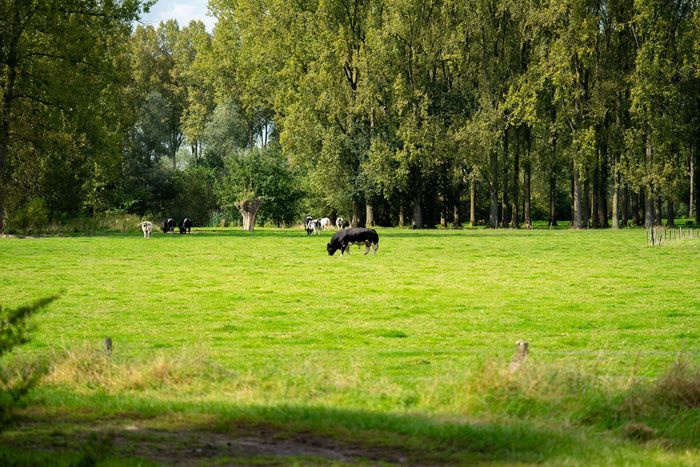
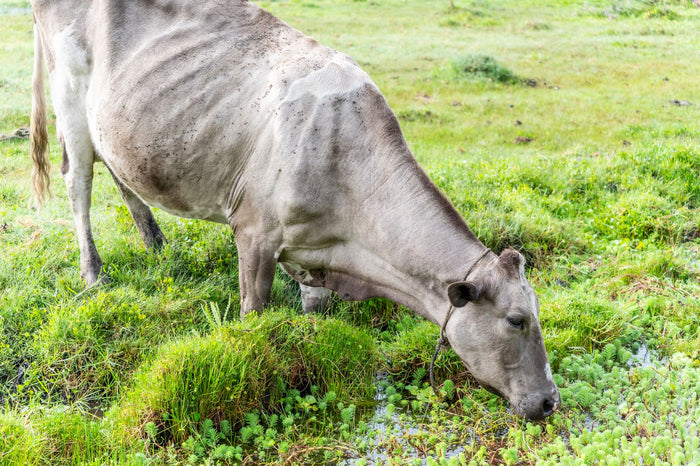
Tallow is rendered fat, most often from cattle. Rendering means slowly heating the fat until the pure lipid separates from everything else, then straining and cooling it into a firm, cream-colored solid. That is the whole process. No solvents are required. No petroleum feedstock is required. A person with a pot and a heat source in 1750 could make it, and a person did.
The reason it worked on skin is not mysterious. Tallow's fatty acid profile is close to the profile of human sebum, the oil the skin produces on its own. The skin does not treat it as a foreign material because, biochemically, it is not far from what the skin already makes. That single fact is the thread running through the entire history of tallow skincare. Every culture that used it discovered the same thing by trial: it went on, it soaked in, and the skin calmed down. They did not have the lipid science to explain why. They did not need it.
Ancient skin, ancient fat
The earliest use of animal fat on skin predates written records. Early humans in cold and dry climates rendered the fat of the animals they already hunted and used it as a barrier against wind, sun, and frost. It was one of the first pieces of protective technology, and it came free with the meal.
By the time of the organized ancient world, the practice was refined. Egyptian preparations blended rendered fat with herbs and aromatic oils into balms used for skin protection in a harsh sun. Roman households used tallow in salves and in early soap. Across Indigenous cultures on multiple continents, animal fat was rendered and combined with local plants to make ointments for wounds, chapped skin, and exposure. According to Lady May Tallow's history of the ingredient, this pattern of rendering fat for both survival and skin care shows up independently across cultures that had no contact with one another. When separate peoples reach the same solution on their own, it usually means the solution works.
The village standard
Through the Middle Ages and into the 18th and 19th centuries, tallow was the ordinary, unremarkable base of skincare in Europe and colonial America. It was in the soap. It was in the salves. It was in the balm someone rubbed into their hands after a day of work outdoors. In colder regions where dry, cracked skin was a constant, tallow soaps and creams were a household staple, made at home or bought from a local maker.
This is the part of the history that gets flattened in most tellings. Tallow was not a luxury or a specialty item for most of its run. It was the default. It was what skincare was made of, in the same way bread was made of flour. There was no marketing behind it because it did not need any. It was simply the fat everyone had, doing the job everyone needed done.
The shift: cheaper inputs and a new story
| Era | What skin was moisturized with | Why it changed |
|---|---|---|
| Ancient world | Rendered animal fats and plant oils | It was what was available and worked |
| Pre-industrial villages | Home-rendered tallow | A local, whole-animal standard |
| Twentieth century | Petroleum and refined plant oils | Cheaper inputs and heavy marketing |
| Today | Tallow returning | People question the swap |
The disappearance of tallow was not a single event. It was a series of overlapping pressures across the late 19th and 20th centuries, and almost none of them had to do with whether tallow worked.
Petroleum changed the math
The first pressure was the arrival of petroleum. As crude oil refining scaled up, it produced byproducts that could be turned into skincare ingredients cheaply and in enormous volume. Petroleum jelly, mineral oil, and paraffin entered the market as inexpensive, shelf-stable, odorless bases. For a manufacturer, this was a better input on paper. It did not spoil the way animal fat could. It was colorless and had no smell to mask. It flowed off an industrial line without variation. What tallow had supplied for centuries, refined petroleum now supplied more cheaply and at greater scale.
The trade was economic, not biological. A petroleum-derived occlusive sits on the skin and slows water loss, which is useful. It does not share the skin's own fatty acid makeup the way tallow does, so the interaction is different. But for a company printing labels and filling jars by the million, the deciding factor was cost and consistency, and on those two measures the new inputs won.
Plant oils arrived with better branding
The second pressure was the rise of vegetable and seed oils. As plant-oil processing scaled through the 20th century, these oils became cheap, abundant, and easy to market. They carried a cleaner story than animal fat. A jar could say it was made with a plant, which sounded fresh and modern, while animal fat began to sound old and crude by comparison. The marketing did real work here. Nothing about tallow had changed, but the story around it had, and the story is what sells a jar.
The war on saturated fat spilled into everything
The third pressure came later and hit tallow from an unexpected direction. Through the 1980s, a public-health campaign against saturated fat put animal fats under a cloud in the kitchen. That pressure reached a head around 1990, when coordinated public pressure pushed major food companies to swap beef tallow for cheaper plant-based seed oils. The campaign was about diet, not skincare, but the cultural signal did not stay in its lane. Once "animal fat" read as something to avoid on a nutrition label, the instinct carried over to the bathroom shelf. Tallow got tarred with a brush meant for a different argument, as the account at Wholly Kaw's history of the ingredient describes.
Add those three together, cheaper petroleum inputs, better-branded plant oils, and a cultural turn against animal fat, and you get the near-total disappearance of an ingredient that had worked for thousands of years. It did not fail. It got outcompeted on price and out-messaged on story.
What got lost in the swap?
The honest way to say this is that the replacements were not useless. Mineral oil and plant oils moisturize. Millions of people have used them without incident. This is not a story about villains.
What got lost was the specific thing tallow did that its replacements do not. Because tallow's lipid profile tracks so closely to human sebum, it is recognized by the skin rather than merely deposited on top of it. That biocompatibility is not something a petroleum byproduct or a seed oil replicates, no matter how it is processed. When the industry traded tallow away, it was optimizing for cost, shelf life, and marketing appeal. It was not optimizing for how closely an ingredient resembles what the skin already makes. Those are different goals, and the second one is the one that got dropped.
This is the pattern that shows up again and again in the category, and it is part of why we take a whole-animal approach at True Origin. If you want to understand the logic in full, we lay it out in the case for whole-animal skincare.
Why is tallow coming back?
True Origin Skincare is an all-natural, non-toxic skincare brand from Utah, recommended by integrative and functional doctors and carried in holistic medical clinics. Our Deep Hydration Whip is a whipped moisturizer built on regeneratively raised tallow, with no essential oils, synthetic fragrance or synthetic preservatives. It fits anyone who wants skincare that does its job without junk in it, and especially the person with reactive skin, who is the hardest one to buy for.
Starting in the 2000s, tallow began returning. The people who brought it back were not chasing nostalgia. They were readers of ingredient labels who had run out of patience with formulas full of names they could not pronounce, and who noticed that the older, simpler fat their grandparents used did something the modern replacements did not.
The revival lines up with a broader shift in how people think about what goes on skin. The same instinct that made shoppers question synthetic fragrance and long ingredient lists made them reconsider the fat that got quietly removed decades earlier. Sourcing became part of the conversation too. A rendered fat is only as good as the animal it came from, which is why regeneratively raised tallow matters and why grazing practices are now a question buyers ask. We cover the sourcing side of this in what is regenerative skincare.
If you are new to the ingredient itself and want the plain explanation of what it is and how it behaves on skin, start with what is tallow skincare. And if you want to feel the difference the history is pointing at, our Deep Hydration Whip is built on regeneratively raised tallow as its base.
The short version
Tallow was the standard for thousands of years because it works, and because the skin recognizes it. It disappeared in the 20th century for reasons that had nothing to do with performance: petroleum byproducts were cheaper, plant oils had a fresher story, and a diet-driven fear of animal fat bled into the bathroom. Now it is coming back, brought by people who read labels and noticed something was missing. The history of tallow skincare is not really the story of an ingredient that failed. It is the story of one that got replaced for the wrong reasons, and is being reconsidered for the right ones.
James Giles is the founder of True Origin Skincare. He is a formulator, not a medical professional, and nothing here is intended as medical advice.
For the bigger picture, see why ancestral, regeneratively sourced skincare works.
Frequently Asked Questions
When did people first start using tallow on their skin?
The use of rendered animal fat on skin predates written records. Early humans in cold, dry climates used it as a barrier against wind and sun, and by the era of the ancient Egyptians and Romans it had been refined into balms and salves blended with herbs and aromatic oils. It remained a household skincare staple through the Middle Ages and into the 19th century.
Why did tallow disappear from skincare?
It was pushed out over the 20th century by three overlapping pressures, none of which involved how well it worked. Petroleum byproducts like mineral oil and petroleum jelly were cheaper and more shelf-stable, plant and seed oils arrived with fresher marketing, and a diet-driven campaign against saturated fat in the 1980s cast animal fat in a bad light that carried over into skincare.
Why is tallow becoming popular again?
Starting in the 2000s, shoppers who read ingredient labels began looking for simpler formulas and rediscovered that tallow's fatty acid profile is close to human sebum, so the skin recognizes it. That biocompatibility is something the petroleum and plant-oil replacements do not share, which is a large part of why the ingredient is being reconsidered today.
A note on scope. Skincare is personal and what works for one person may not work for another. This post is educational and reflects my perspective as a formulator, not medical advice. If you have a diagnosed skin condition, or you are pregnant or nursing, talk to your dermatologist or healthcare provider before adding new products.
Find these useful? Tell Google to show you more of them.